Akamai mPulse Design System
Akamai’s mPulse platform captures real user monitoring (RUM) data, delivering key performance indicators (KPIs) that empower engineers to optimize website performance, understand user behavior, and measure ROI. Originally built during the startup phase of SOASTA (later acquired by Akamai), the platform had grown into a successful product—but after seven years, the interface required a complete redesign. To support future growth and ensure consistency across a fast-paced analytics environment, we created a robust design system tailored to real-time analytics, data science, and performance engineering.
Research, Strategy & Design
We began with a comprehensive audit of the existing product, mapping patterns, redundancies, and usability issues. Frequent check-ins with engineers, product managers, and data scientists helped us understand both business priorities and technical constraints.
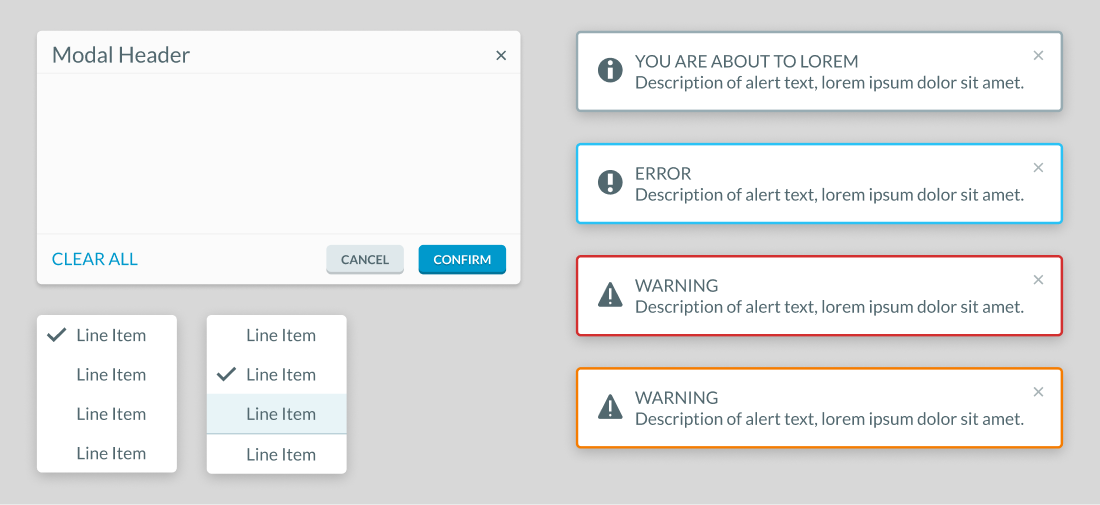
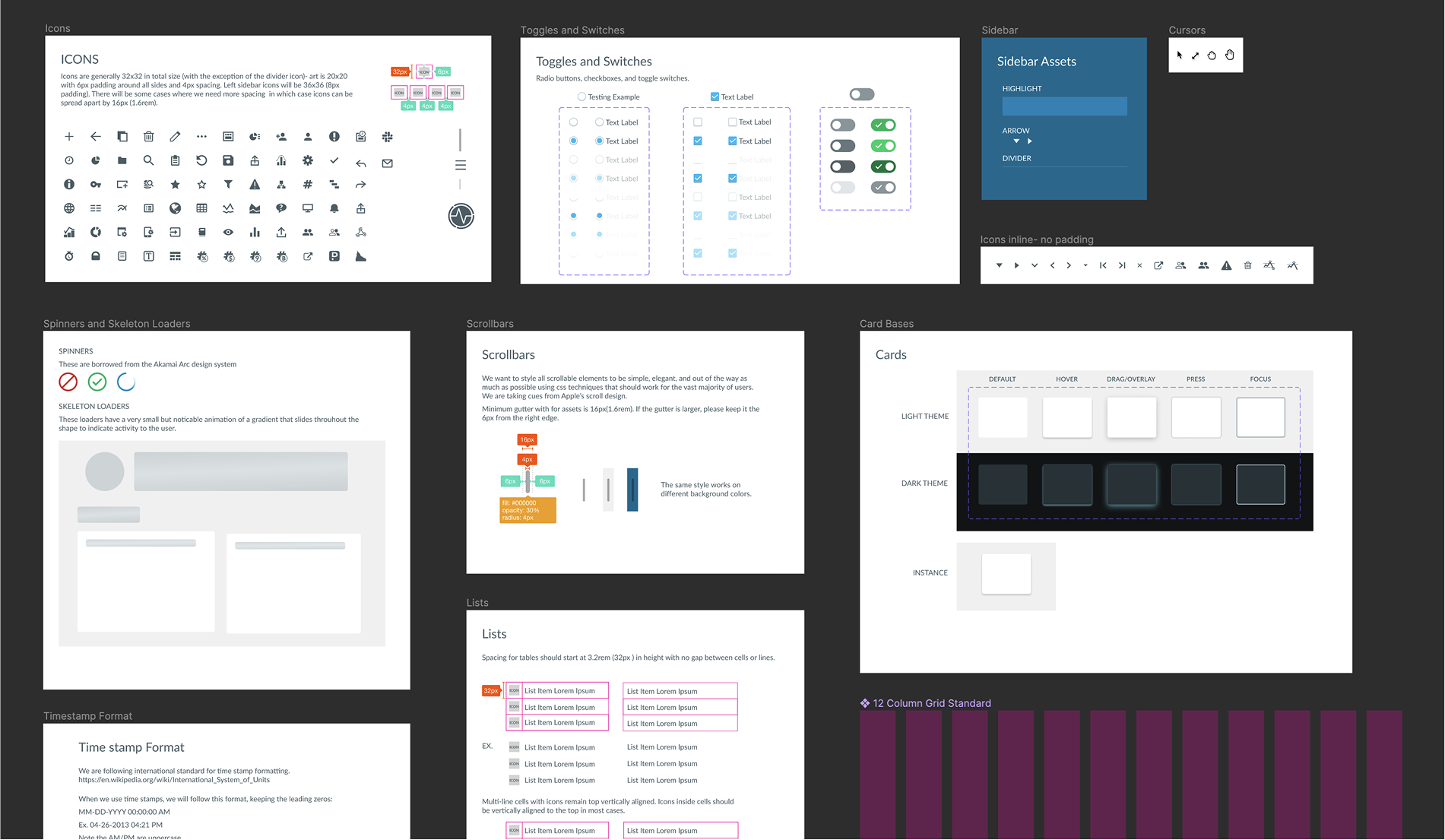
At first, we built the design system in Sketch and prototyped in Framer and Principal. Eventually we migrated to Figma, where we rebuilt the library using atomic design methodology—breaking components into atoms, molecules, and organisms to maximize reusability and consistency. I collaborated closely with front-end developers to ensure feasibility and smooth handoffs.
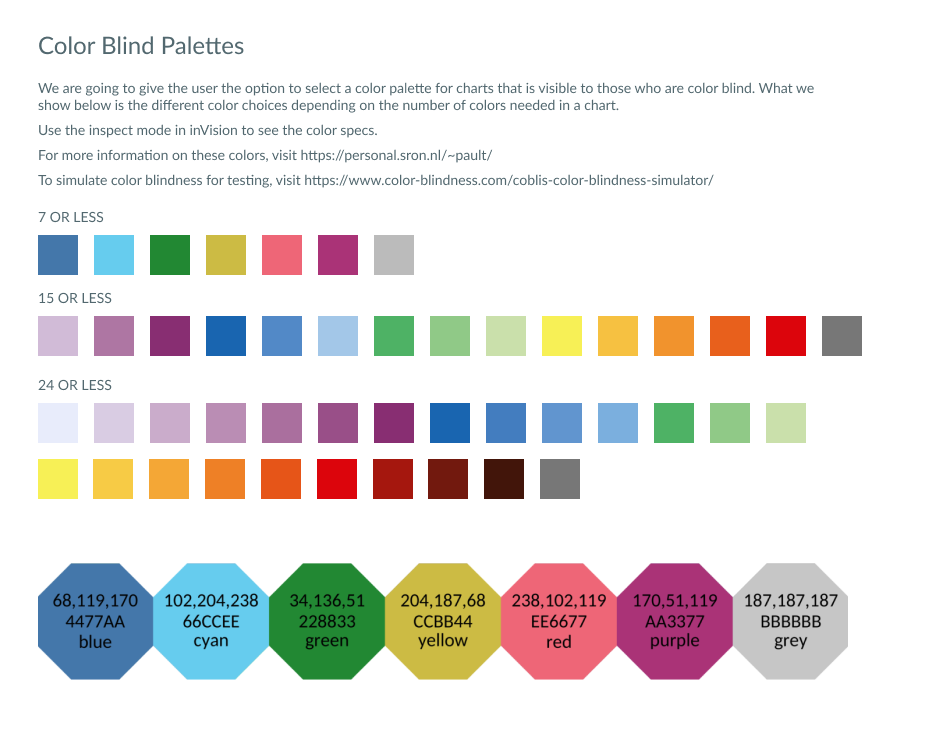
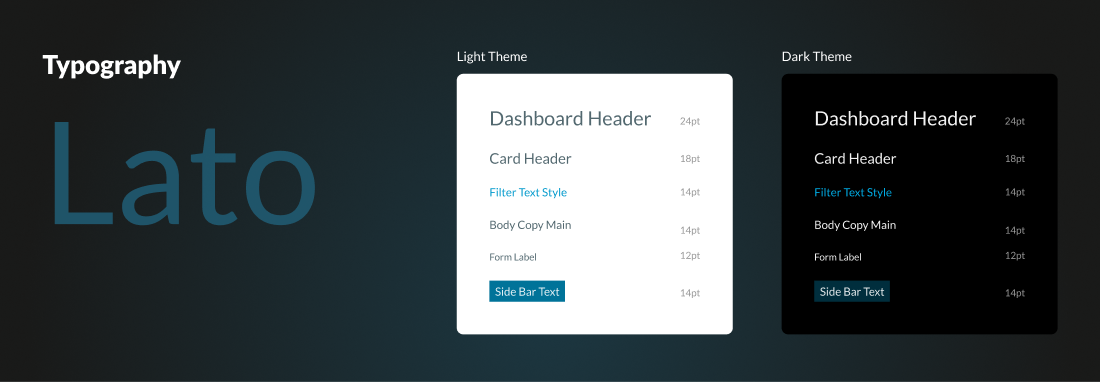
Accessibility was a core priority: we defined clear color standards for data visualization for those with color blindness. We made sure contrast ratios met WCAG guidelines, and introduced scalable typography design with rem units to improve clarity across dense dashboards and screens of various sizes from mobile phones to tvs.
After the Akamai acquisition, I worked closely with stakeholders to update our design system to reflect Akamai’s branding—from color palettes to iconography—while balancing those requirements with the product’s established workflows and data-heavy use cases. I also mentored engineering interns on their projects that helped them with their front end work. I acted as art director ensuring the design system remained cohesive as it evolved.
Results and Impact
The design system transformed how the team delivered features:
- Faster Mockups & Prototypes
Design cycles were cut significantly while improving consistency. - Agile Alignment
Working along side engineering using agile, the team could ship faster while maintaining quality. - Improved Usability
Accessible, consistent patterns made the platform easier to navigate for engineers working with complex, real-time datasets.
Most importantly, the system gave the product a sustainable foundation, so that as mPulse grew within Akamai, new features could be delivered quickly, consistently, and with confidence.